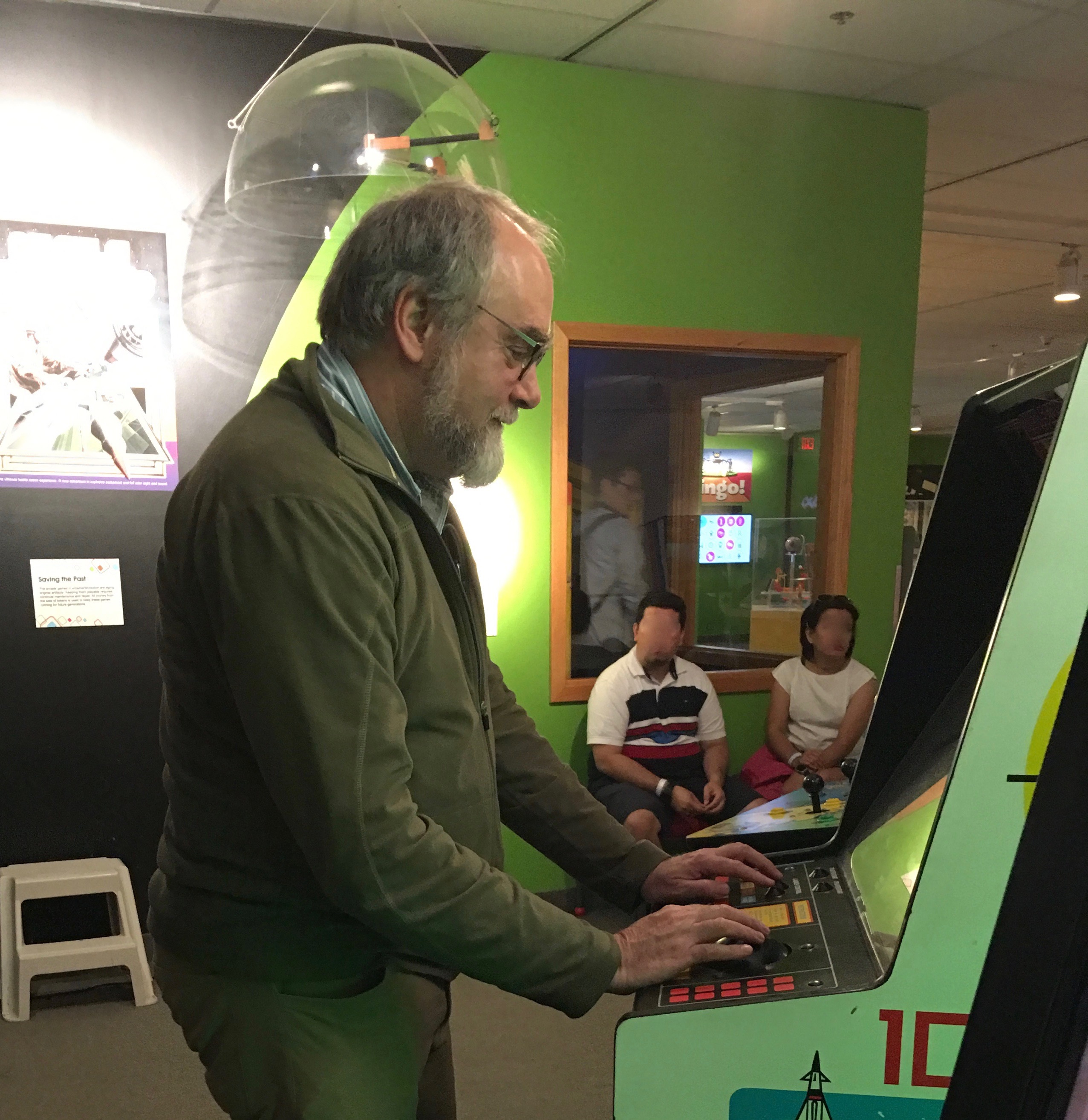
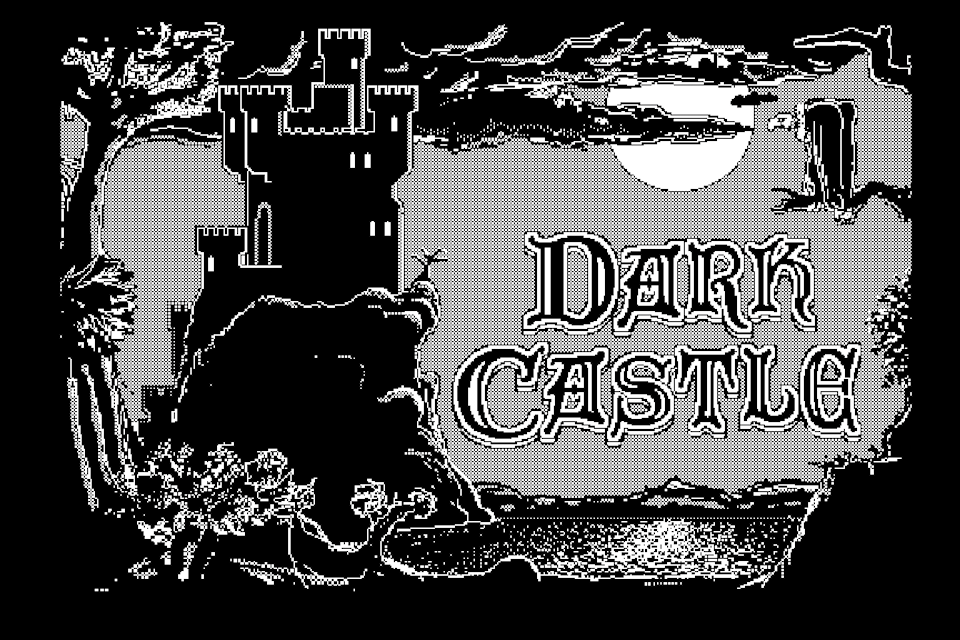
Gaming disorder is defined in the draft 11th Revision of the International Classification of Diseases (ICD-11) as a pattern of gaming behavior (“digital-gaming” or “video-gaming”) characterized by impaired control over gaming, increasing priority given to gaming over other activities to the extent that gaming takes precedence over other interests and daily activities, and continuation or escalation of gaming despite the occurrence of negative consequences.
For gaming disorder to be diagnosed, the behaviour pattern must be of sufficient severity to result in significant impairment in personal, family, social, educational, occupational or other important areas of functioning and would normally have been evident for at least 12 months.
The Artists is the story of the creators that were at the forefront of the early video game revolution. It explores the first three decades of video game history.
I just finished watching the CBC TV series, The Artists – Season 1. This is a series of short (9 – 12 minute) video essays that you can watch off the web. The series focuses on the issue of game designers as artists and starts and ends with an early and influential ad, We see farther, that EA (Electronic Arts) ran that showcased their developers, something other companies (like Atari) didn’t do.
The CBC series is well done, though I find the shorts too short. I wish they lingered a bit more over the clips of games and other historic materials. The kinetic style of the shorts may suit the medium, but not the history.
My other gripe is their choice of game designers to feature. There are no Japanese game designers. In fact, it is as if no one outside of the US and Canada designed games at all. They could have also covered some influential women designers like Brenda Laurel.
What is great, is episode 9 on Bioware (and Edmonton!) I didn’t realize that Greg Zeschuk, one of the founders of Bioware, started the Blind Enthusiasm Brewing Company which has a beer brewery and restaurant near my house.
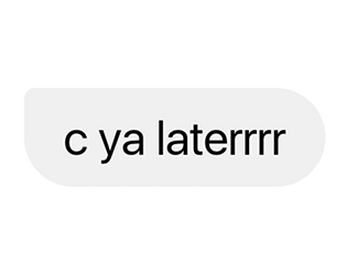
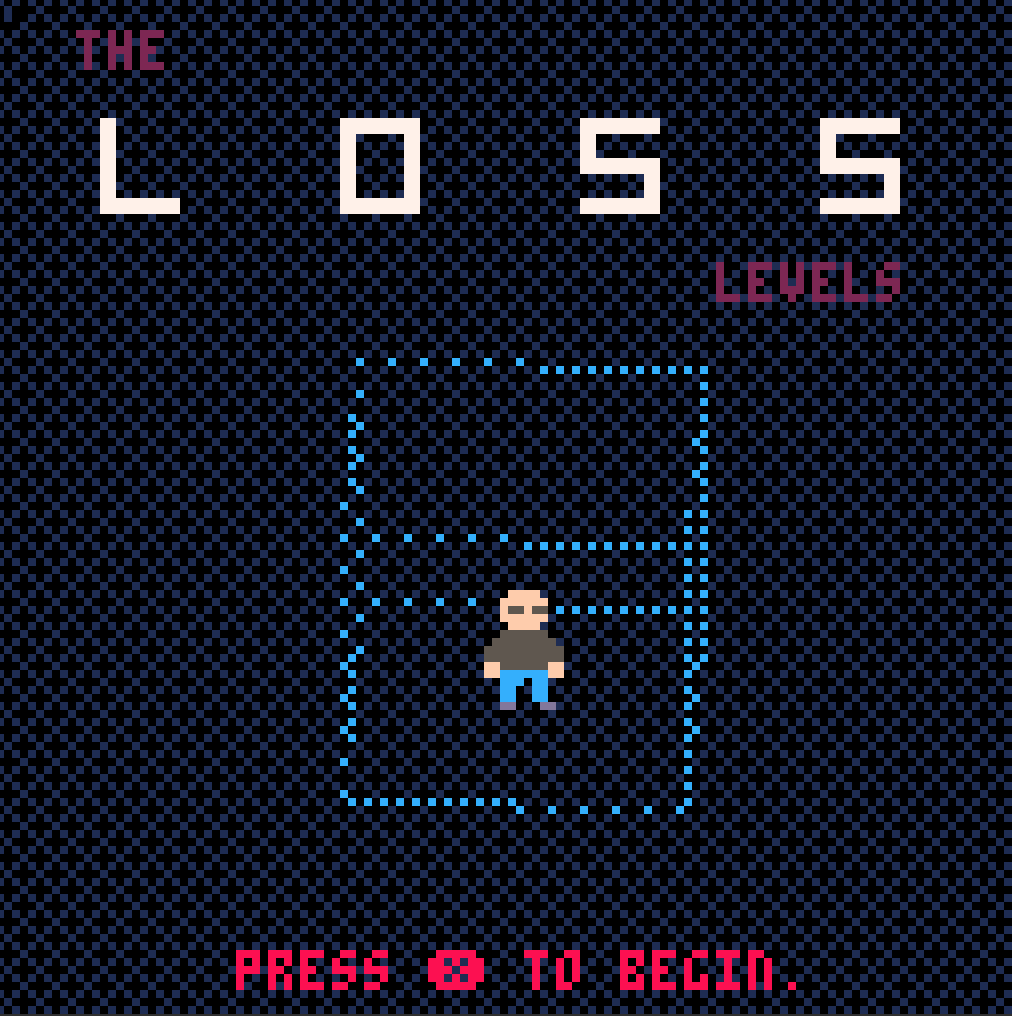
c ya laterrrr is text “game” by Dan Hett to document his experience after the Manchester terror attack when he lost his brother. “c ya laterrrr” was the last message he got from his brother. I found the game through an interview with the Guardian that talks about the games he is making. Another games that is less narration and more 8-bit graphics is the Loss Levels made with Pico-8.
As both games deal with the same event they make an interesting comparison of genres. I find the text adventure game much more effective for this subject as you feel the event unfold and the decisions give you a feeling for the experience.
Google has announced some cool text projects. See Google AI experiment has you talking to books. One of them, Talk to Books, lets you ask questions or type statements and get answers that are passages from books. This strikes me as a useful research tool as it allows you to see some (book) references that might be useful for defining an issue. The project is somewhat similar to the Veliza tool that we built into Voyant. Veliza is given a particular text and then uses an Eliza-like algorithm to answer you with passages from the text. Needless to say, Talking to Books is far more sophisticated and is not based simply on word searches. Veliza, on the other hand can be reprogrammed and you can specify the text to converse with.
The problem isn’t that poor children don’t have access to computers. It’s that they spend too much time in front of them.
The New York Times has an important Opinion about America’s Real Digital Divide by Naomi S. Riley from Feb. 11, 2018. She argues that TV and video game screen time is bad for children and there is no evidence that computer screen time is helpful. The digital divide is not one of access to screens but one of attitude and education on screen time.
But no one is telling poorer parents about the dangers of screen time. For instance, according to a 2012 Pew survey, just 39 percent of parents with incomes of less than $30,000 a year say they are “very concerned” about this issue, compared with about six in 10 parents in higher-earning households.
One of the oddest Ethereum projects in operation, CryptoKitties is a three-way cross between Tamagotchis, Beanie Babies and animal husbandry. Users can buy, sell and breed the eponymous cats, with traits inherited down the generations.
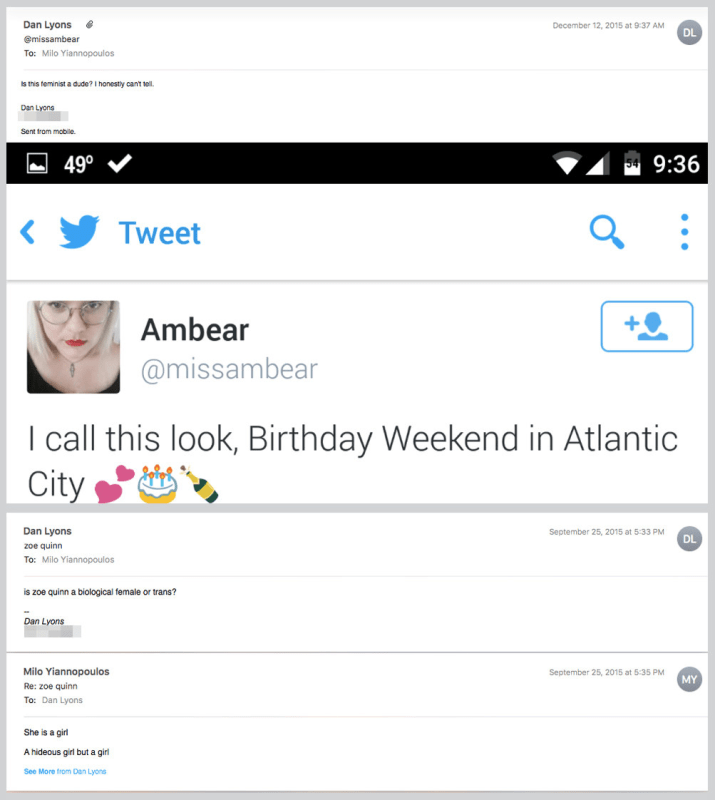
From this motley chorus of suburban parents, journalists, tech leaders, and conservative intellectuals, Yiannopoulos’s function within Breitbart and his value to Bannon becomes clear. He was a powerful magnet, able to attract the cultural resentment of an enormously diverse coalition and process it into an urgent narrative about the way liberals imperiled America. It was no wonder Bannon wanted to groom Yiannopoulos for media infamy: The bigger the magnet got, the more ammunition it attracted.
Many of those who wrote Milo seem to be disgruntled people who feel oppressed by the “political correctness” of their situation, whether in a tech company or entertainment business. They email Milo to vent or pass tips or just get sympathy.
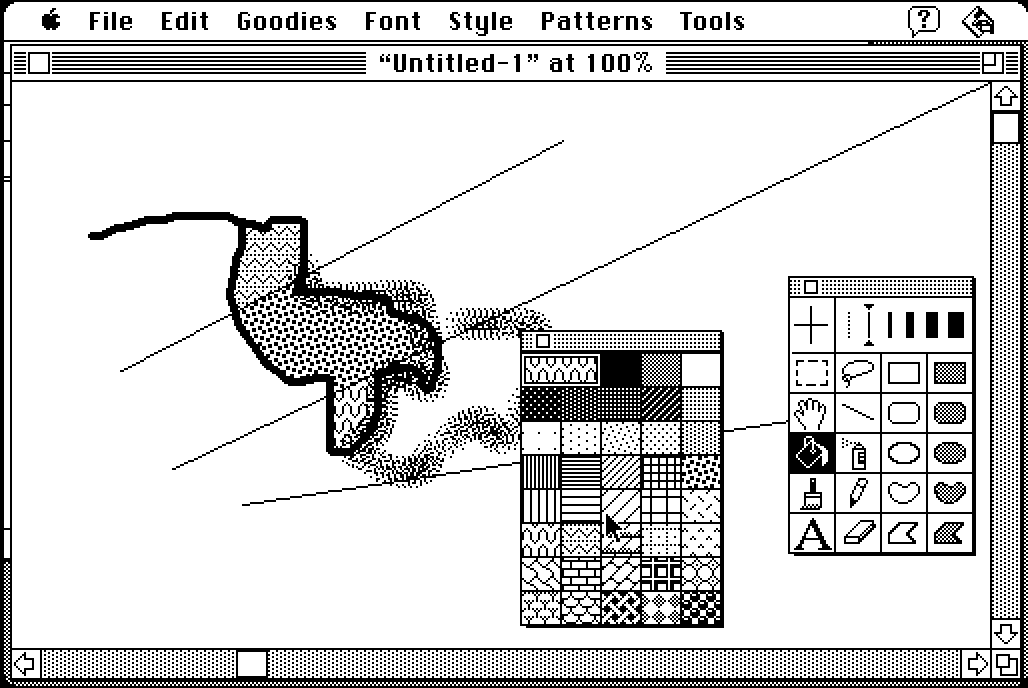
I’m amazed they can emulate the Mac OS in JavaScript. I’m also amazed at the community of people coming together to share old Mac software, manuals, and books with the IA.
Wu, who is running for Congress, said in an email that she is “fairly livid” because it appears the FBI didn’t check out many of her reports about death threats. Wu catalogued more than 180 death threats that she said she received because she spoke out against sexism in the game industry and #GamerGate misogyny that eventually morphed into the alt-right movement and carried into the U.S. presidential race.
It sounds like the FBI either couldn’t trace the threats or they didn’t think they were serious enough and eventually closed down the investigation. In the aftermath of the shooting at the Québec City mosque we need to take the threats of trolls more seriously as Anita Sarkeesian did when she was threatened with a “Montreal Massacre style attack” before speaking at the University of Utah. Yes, only a few act on their threats, but threats piggy-back on the terror to achieve their end. Those making the threats may justify it as just for the lulz, but they do so knowing that some people act on their threats.
On another point, having just given a paper on Palantir I was intrigued to read that the FBI used it in their investigation. The report says that “A search of social media logins using Palantir’s search around feature revealed a common User ID number for two of the above listed Twitter accounts, profiles [Redacted] … A copy of the Palantir chart created from the Twitter results will be uploaded to the case file under a separate serial.” One wonders how useful connecting to Twitter accounts to one ID is.
Near the end of the report, which is really just a collection of redacted documents, there is a heavily redacted email from one of those harassed where all but a couple of lines are left for us to read including,
We feel like we are sending endless emails into the void with you.