TPM: The Philosophers’ Magazine | The real thing?

Thanks to Peter I came across an article in The Philosophers’ Magazine titled The real thing? (by Julian Baggini, Issue 43, posted May 5, 2009) about social epistemology. Social epistemology according to Alvin Goldman, who was interviewed for the article, examines the social dimension of knowing. Goldman is quoted as saying,

Historically, epistemology focused on how you can get the truth about the world. The question for social epistemology is something like, how does the social affect people’s attempts to get the truth? So what I want to do, and this has been part of my efforts for these 10 years or so, is to try to give a bigger focus to the social side of epistemology, while remaining continuous with the philosophical tradition.
Hacking as a Way of Knowing: Our Project on Flickr

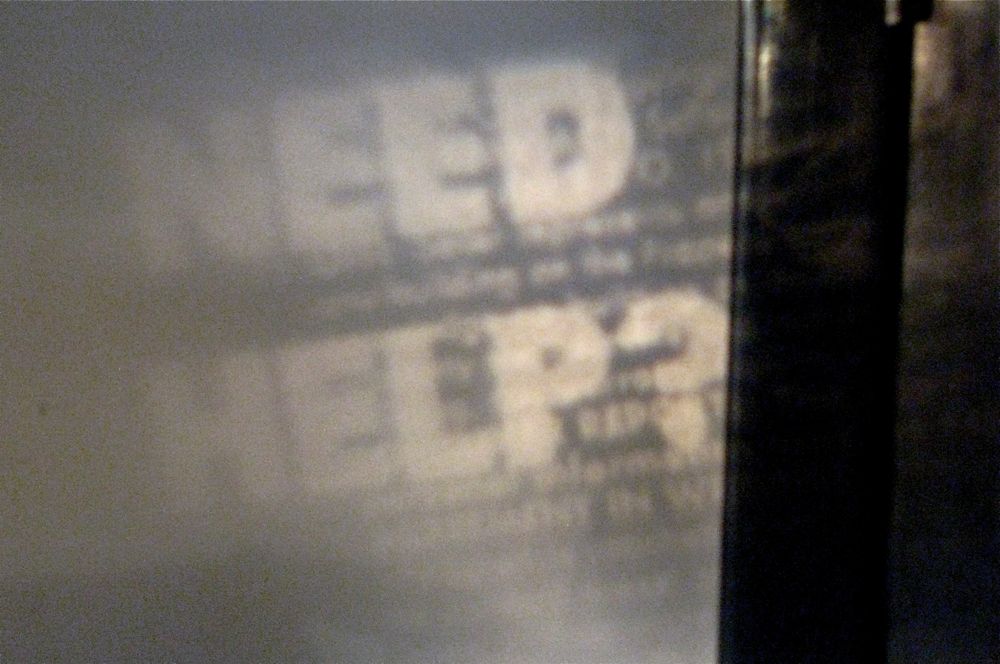
Photo of Projection

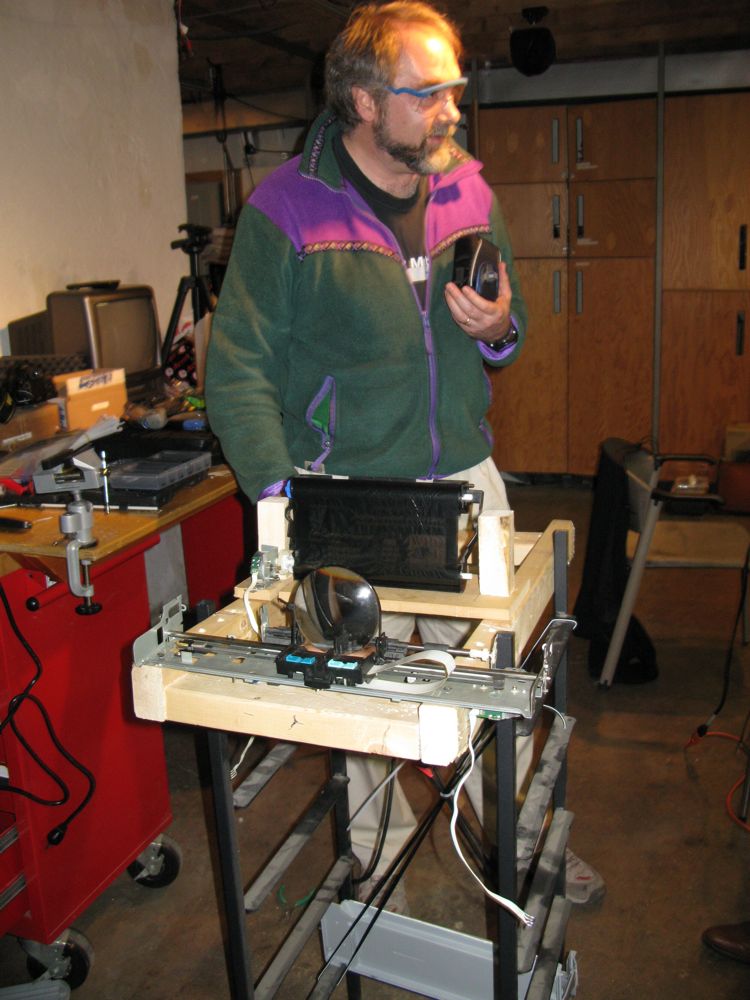
I put a photo set up on Flickr for our Hacking as a Way of Knowing project. The set documents the evolution of the project which I’ve tentatively named the “ReReader for the Writing on the Wall”. Thanks to all those who made the project and the workshop a success. Now I have to think a bit deeper about making as knowing and things as theories.

Hacking as a Way of Knowing – Digital History

Photo

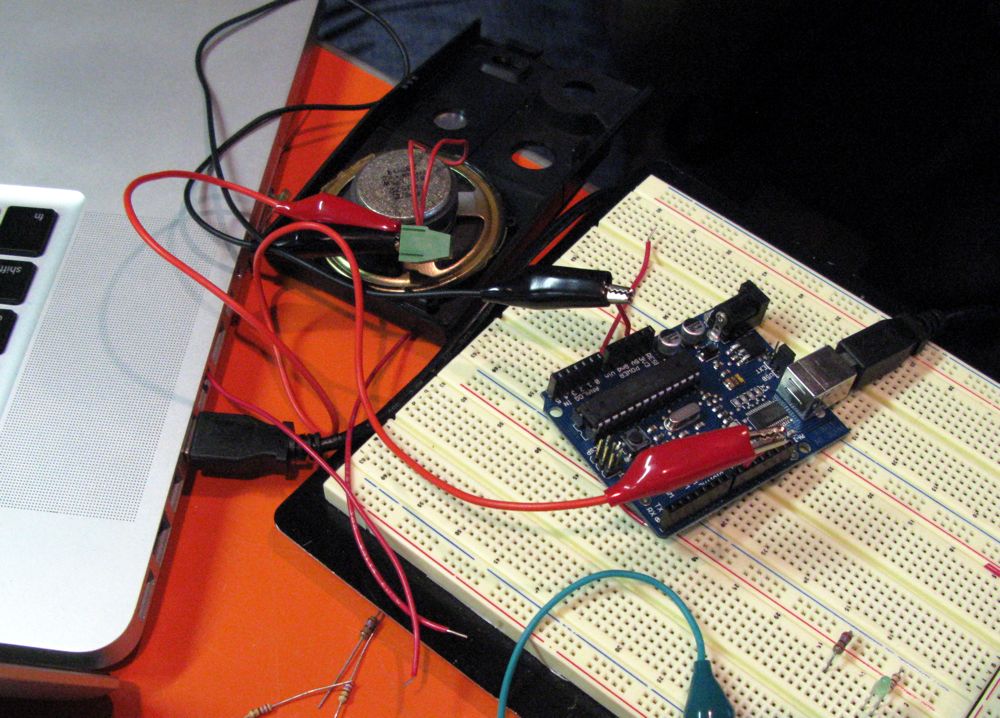
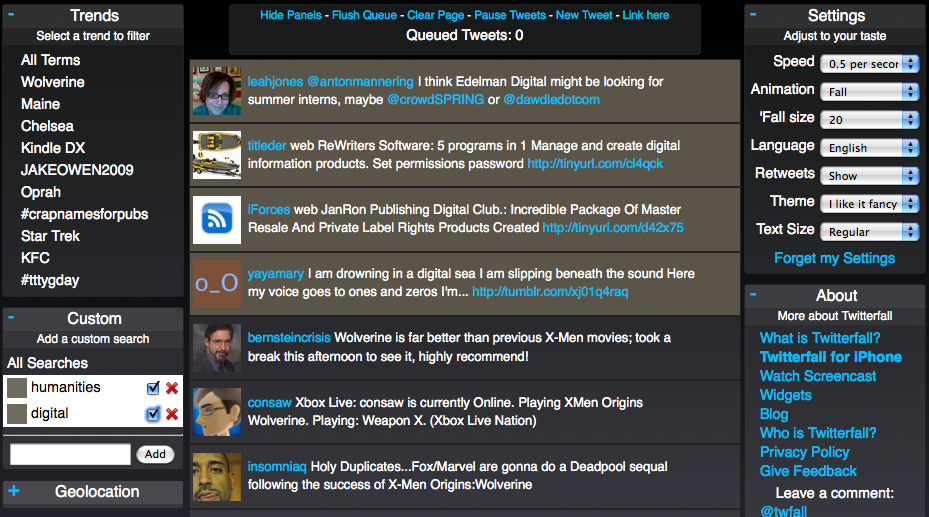
Today was the first day of the Hacking as a Way of Knowing e-waste fabrication workshop. Above you can see the text from a fax thermal printer roll projected onto a wall. (At least I think that’s what it is.) Below is an Arduino connected to a a speaker. Stéfan has working on taking a RSS feed and triggering events so we can connect stuff to it to create cool stuff.

Photo of Arduino

We got talking about why fabrication is taking off. Turkel has his lab. Matt Ratto at the Univerity of Toronto has a lab (with a great name – CriticalMaking.com. Some of the reasons are:

  • There is a growing amount of electronic waste visible and available to be repurposed (and reminding us of how much we waste.)
  • As manufacturing moves out of North America we respond by exploring micro and personal manufacturing through fabrication. It is possible that this is the future of manufacturing here.
  • As manufacturing becomes so complex that we can’t imagine how everyday things are made, fabrication gives us a way of thinking about the making of what’s around us. It allows us to reappropriate the everyday.
  • The costs of fabrication (tools and materials) have dropped to the point where it is a viable hobby. What will fabrication look like when it is not longer only for those with skills?
  • We have what I call an “Ikea” effect where the labour and costs for certain items is shifting. Ikea moved part of assembly (the end assembly that takes relatively little skill) to the buyer by creating smarter hardware. They shifted engineering smarts to joining technology that could be used by anyone. Fabrication benefits from a shift in smarts so that assembly can doable.