Edward Tufte: Beautiful Evidence

be_cover.jpgEdward Tufte’ Beautiful Evidence is the latest in a series of impressive books about visualization and design. I can’t help thinking that this time he has overstretched himself.

First, he doesn’t really tackle the “beautiful” in the title. What is the difference between beautiful evidence and informative evidence? What makes evidence beautiful and is that different from informative? Underlying this is a question about the difference between design and art, which I think he has chosen to ignore as I can’t find it discussed in the book. He is, however, aware of it – here is a quote from a long (PDF) interview in Technical Communication Quarterly:

Beautiful Evidence follows a growing concern in my work: assessing the quality of evidence and of finding out the truth. The other side is that sometimes displays of evidence have, as a byproduct, extraordinary beauty. I mean beautiful here in two senses: aesthetic or pretty but also amazing, wonderful, powerful, never before seen. In emphasizing evidential quality and beauty, I also want to move the practices of analytical design far away from the practices of propaganda, marketing, graphic design, and commercial art. (Page 450)

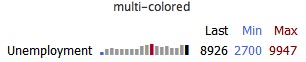
Second, the book reads like a collection of essays. He has put the The Cognitive Style of PowerPoint and an essay on sparklines in the book, even though they don’t quite fit. Finally, the book ends with plates of his sculpture which seem to be an ad for his sculpture and only loosely connected to evidence.
Many Eyes

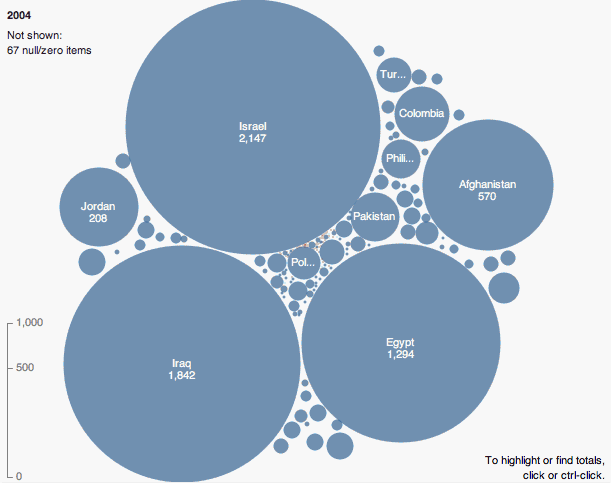
Image of VisualizationMany Eyes is an IBM site for shared visualization and discovery. If you get an account you can upload data sets and then try different visualization tools on them. Others can create visualizations from your dataset and/or can leave comments on a visualization. See for example this visualization of bible names.

Many Eyes is a bet on the power of human visual intelligence to find patterns. Our goal is to “democratize” visualization and to enable a new social kind of data analysis. Jump right to our visualizations now, take a tour, or read on for a leisurely explanation of the project. (From About Many Eyes)

What is interesting is the “democratic” nature of the site – a sort of Flickr for visualization.

Thanks to Judith for pointing me to this.

The State of the Union in Words: Rich Prospect Browsing

Image of Web Page from New York TimesThe New York Times has a wonderful example of rich prospect browsing in The State of the Union in Words: A Look at the 34,000 State of the Union Words Delivered of George W. Bush. They show the different State of the Union addresses with the pattern searched for in red on the left. On the right they show frequency bubbles for key words including the one you search for. Rich prospect browsing is an idea I learned about from Stan Ruecker – see the Humanities Visualization projects he is involved in.

Thanks to Daniel for showing this to me.

Sparklines: Bella consults

sparkbis.jpg
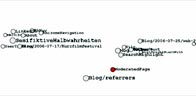
Bella consults is a blog which purports to be “musings of the office dog at Bissantz” which I blogged earlier on the subject. So far (as of Friday, Dec. 15th) it is a great summary of what to do and not do with sparklines.

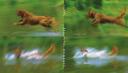
Bella is a Labrador that appears at different ages in a composite picture that Edward Tufte reproduces in Beautiful Evidence (page 43.) Tufte reproduces the image to show how one can create visualizations that combine multiple images where the “measurement labels are place directly in the photograph where they belong” instead of forcing the reader to decode labels. Tufte says everyone should use “Bella reporting standards”. Bella’s blog is presumably a meditation on her standards.

Thanks to Roland Zimmermann for pointing this out to me and also pointing me to his short essays Bissantz ponders.

Pathway – Wikipedia Visualization

Pathway ScreenPathway is a small custom application (just for Max OS X) that creates a visualization while you browse the Wikipedia. It is not a general pupose browser, it is just for the Wikipedia, but it includes some nice features for reflecting on the “path” you take through the wiki. I should note that paths are a feature Vannevar Bush talked about in “As We May Think” (Atlantic Monthly, July 1945.)

This comes from Matt.