The bad things that happen when algorithms run online shops

Smart software controls the prices and products you see when you shop online – and sometimes it can go spectacularly wrong, discovers Chris Baraniuk.

The BBC has a stroy about The bad things that happen when algorithms run online shops. The story describes how e-commerce systems designed to set prices dynamically (in comparison with someone else’s price, for example) can go wrong and end up charging customers much more than they will pay or charging them virtually nothing so the store loses money.

The story links to an instructive blog entry by Michael Eisen about how two algorithms pushed up the price on a book into the millions, Amazon’s $23,698,655.93 book about flies. The blog entry is a perfect little story about about the problems you get when you have algorithms responding iteratively to each other without any sanity checks.

MIT apologizes, permanently pulls offline huge dataset that taught AI systems to use racist, misogynistic slurs

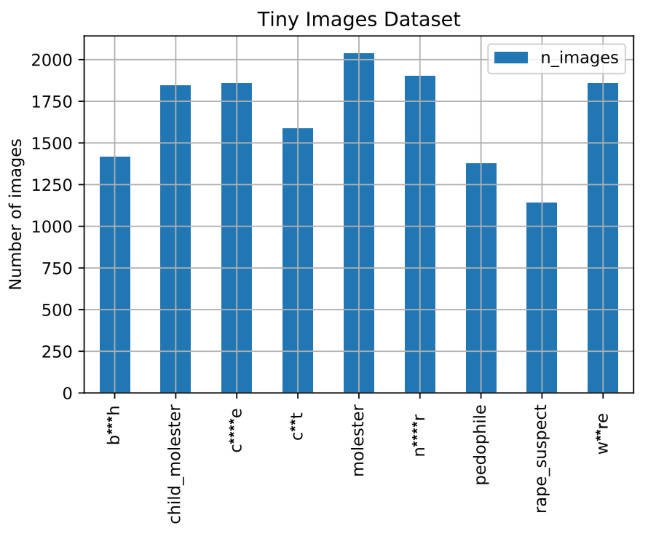
Vinay Prabhu, chief scientist at UnifyID, a privacy startup in Silicon Valley, and Abeba Birhane, a PhD candidate at University College Dublin in Ireland, pored over the MIT database and discovered thousands of images labelled with racist slurs for Black and Asian people, and derogatory terms used to describe women. They revealed their findings in a paper undergoing peer review for the 2021 Workshop on Applications of Computer Vision conference.

Another one of those “what were they thinking when they created the dataset stories” from The Register tells about how MIT apologizes, permanently pulls offline huge dataset that taught AI systems to use racist, misogynistic slurs. The MIT Tiny Images dataset was created automatically using scripts that used the WordNet database of terms which itself held derogatory terms. Nobody thought to check either the terms taken from WordNet or the resulting images scoured from the net. As a result there are not only lots of images for which permission was not secured, but also racists, sexist, and otherwise derogatory labels on the images which in turn means that if you train an AI on these it will generate racist/sexist results.

The article also mentions a general problem with academic datasets. Companies like Facebook can afford to hire actors to pose for images and can thus secure permissions to use the images for training. Academic datasets (and some commercial ones like the Clearview AI  database) tend to be scraped and therefore will not have the explicit permission of the copyright holders or people shown. In effect, academics are resorting to mass surveillance to generate training sets. One wonders if we could crowdsource a training set by and for people?
What coding really teaches children

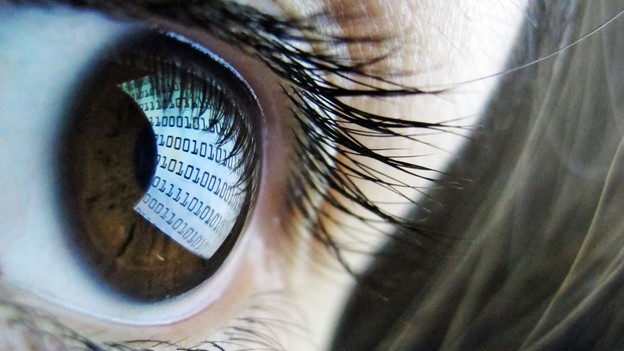
You’ve seen movies where programmers pound out torrents of code? That is nothing like reality. Most of the time, coders don’t type at all; they sit and stare morosely at the screen, running their hands through their hair, trying to spot what they’ve done wrong. It can take hours, days, or even weeks. But once the bug is fixed and the program starts working again, the burst of pleasure has a narcotic effect.

Stéfan pointed me to a nice opinion piece about programming education in the Globe titled, Opinion: What coding really teaches children. Clive Thompson that teaching programming in elementary school will not necessarily teach math but it can teach kids about the digital world and teach them the persistence it takes to get complex things working. He also worries, as I do, about asking elementary teachers to learn enough coding to be able to teach it. This could be a recipe for alienating a lot of students who are taught by teachers who haven’t learned.